
Europe’s water reserves are dwindling due to climate collapse
-
UCL scientists discover large areas of southern Europe are drying up, with far-reaching implications
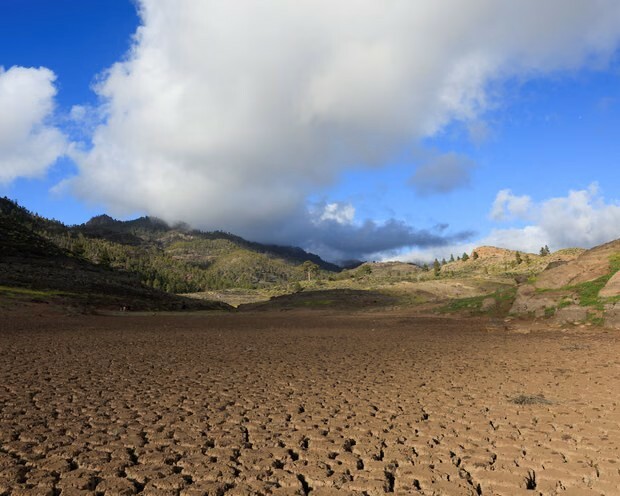
Large swaths of Europe’s water reserves are dwindling, according to a new analysis based on two decades of satellite data, with freshwater storage shrinking across southern and central Europe, from Spain and Italy to Poland and parts of the UK.
Scientists from University College London (UCL), in collaboration with Watershed Investigations and The Guardian, analyzed data from 2002–2024 obtained from satellites that track changes in Earth’s gravitational field.
Because water is heavy, changes in groundwater, rivers, lakes, soil moisture, and glaciers appear in the signal, allowing satellites to effectively “weigh” how much water is stored.
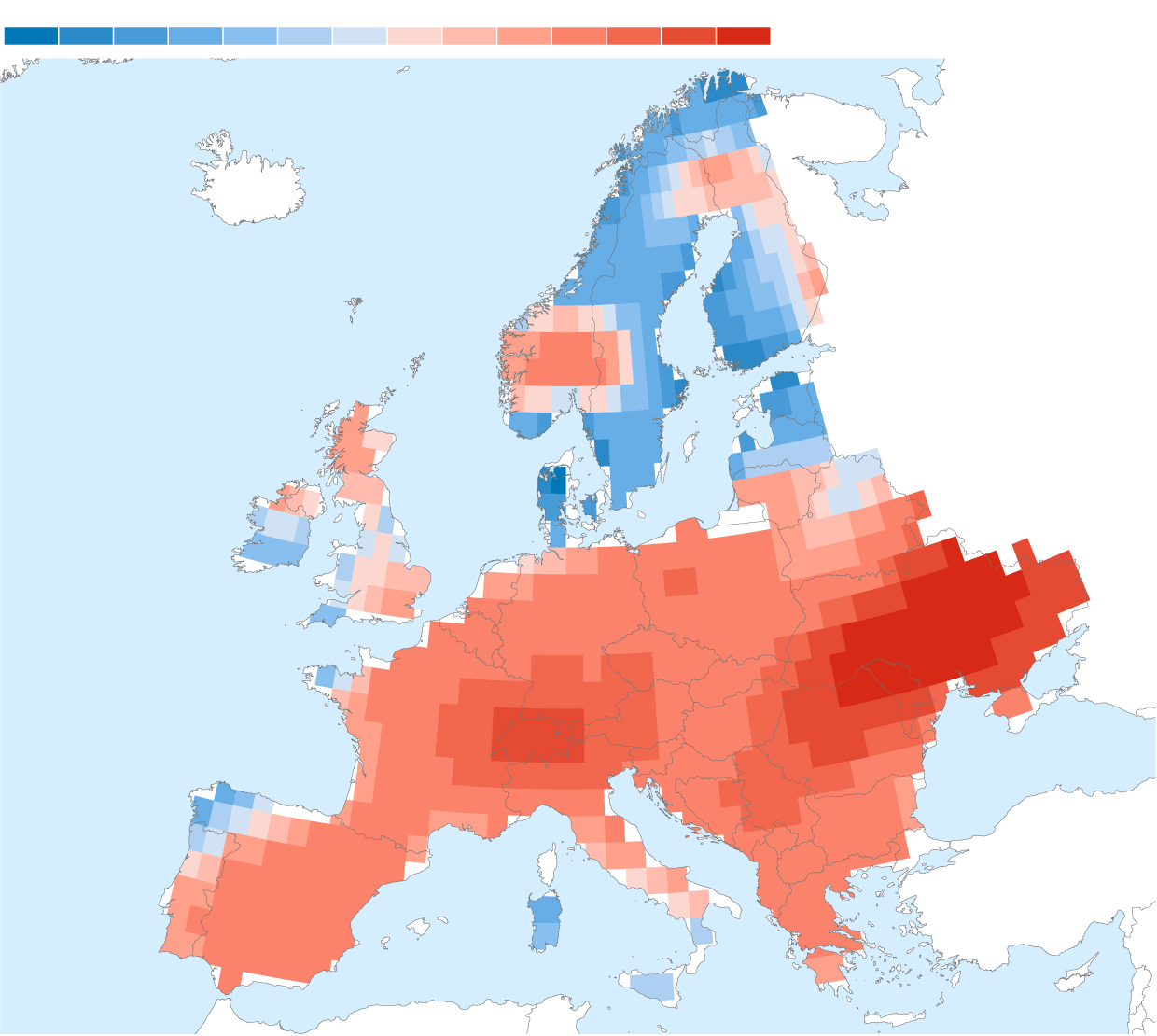
The results reveal a marked imbalance: northern and northwestern Europe—particularly Scandinavia, parts of the UK, and Portugal—have become wetter, while large swaths of southern and southeastern Europe, including parts of the UK, Spain, Italy, France, Switzerland, Germany, Romania, and Ukraine, have been drying out.
Much of Europe has become drier.
Change in groundwater storage from April 2002 to December 2024:
According to scientists, the deteriorating climate is visible in the data. “When you compare total terrestrial water storage data with climate datasets, the trends are highly correlated,” said Mohammad Shamsudduha, Professor of Water Crisis and Risk Reduction at UCL.
This should be a wake-up call for policymakers who remain skeptical about emissions reductions, Shamsudduha said. “We’re no longer talking about limiting warming to 1.5°C; we’re probably heading for 2°C above pre-industrial levels, and we’re now witnessing the consequences.”
PhD researcher Arifin isolated groundwater storage from total terrestrial water data and found that trends in these more resilient water bodies mirrored the bigger picture, confirming that much of Europe’s hidden freshwater reserves are being depleted.
Trends across the UK are mixed. “Overall, the west is getting wetter, while the east is getting drier, and that signal is becoming increasingly strong,” said Shamsudduha.
While total rainfall may remain stable, or even increase slightly, the pattern is changing. We are seeing heavier rainfall and longer periods of drought, particularly in summer.
Groundwater is generally considered more resilient to climate change than surface water, but heavy summer rains often mean more water is lost to runoff and flash flooding, while the winter groundwater recharge season may be shortening, she said.
“In southeast England, where groundwater supplies approximately 70% of public water, these changes in rainfall patterns could pose serious challenges.” According to data from the European Environment Agency, the total amount of water extracted from surface and groundwater in the EU between 2000 and 2022 decreased, but groundwater withdrawals increased by 6%, due to public water supply (18%) and agriculture (17%).
This is a fundamental resource: in all Member States, groundwater accounted for 62% of total public water supply and 33% of agricultural water demand in 2022.
A European Commission spokesperson said that its water resilience strategy “aims to help Member States adapt their water resource management to climate change and address human-caused pressures.”
The strategy seeks to build a water-smart economy and is complemented by a Commission recommendation on water efficiency, which calls for improving efficiency by at least 10% by 2030. With leakage levels varying between 8% and 57% across the bloc, the Commission states that reducing pipe losses and modernizing infrastructure will be crucial.
Hannah Cloke, a professor of hydrology at the University of Reading, said: “It’s worrying to see this trend over the long term, because we’ve seen some very large droughts recently, and we keep hearing that this winter we could have less rainfall than usual, and we’re already in drought. Next spring and summer, if we don’t get the rain we need, there will be serious consequences for us here in England. We’ll face severe water restrictions, which will make life very difficult for everyone.” The Environment Agency has already warned England to prepare for a drought that will continue until 2026 unless there is significant rainfall during the autumn and winter. Water Minister Emma Hardy said there is “increasing pressure on our water resources. That’s why this government is taking decisive action, including building nine new reservoirs to help ensure long-term water resilience.”
But simply “promising very large reservoirs that won’t be operational for decades isn’t going to solve the problem immediately,” said Cloke.
“We should be focusing on water reuse, using less water in the first place, separating potable water from recycled water that we could use, using nature-based solutions, and rethinking how we build developments,” he said.
“We’re simply not doing these things quickly enough to keep pace with these long-term trends.”
The trend toward drought in Europe will have far-reaching consequences, affecting food security, agriculture, and water-dependent ecosystems, especially habitats fed by groundwater, according to Shamsudduha. The dwindling reserves in Spain, he said, could directly impact the UK, which relies heavily on Spain and other European countries for its fruit and vegetable supplies.
Climate impacts that have long been seen across the Global South, from South Asia to Africa and the Middle East, are now “much closer to home,” with climate change “clearly affecting Europe itself.”
“We need to accept that climate change is real, it is happening, and it is affecting us,” Shamsudduha said, calling for better water management and openness to “new, even unconventional” ideas, including widespread rainwater harvesting in countries like the UK.
Globally, droughts are emerging in the Middle East, Asia, South America, along the west coast of the United States and in swaths of Canada, and Greenland, Iceland, and Svalbard are also showing dramatic drought trends.
In Iran, Tehran is nearing “Day Zero,” when the supply of drinking water runs out, and water rationing is being planned. The country’s president, Masoud Pezeshkian, has stated that if rationing fails, Tehran may have to be evacuated.