
Five facts you might not know about groundwater
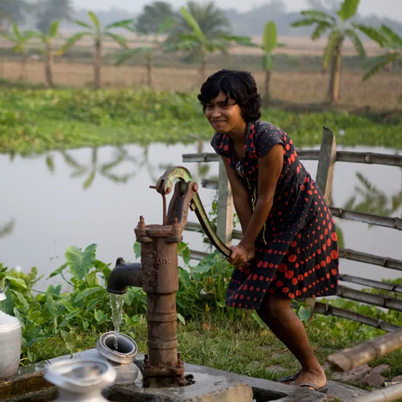
Groundwater is the most abundant and accessible source of freshwater available to humans.
Today, groundwater plays a massive role in our global ecosystems and survival:
-
It sustains 40% of irrigated crop production.
-
It accounts for the drinking water of more than a quarter of the world’s population.
-
It helps maintain nearly half of all freshwater ecosystems.
Simply put, the future of humanity—our water, our food, and the environmental systems that support both—depends on the conservation and protection of groundwater.
Here are five of the main things you might not have known about groundwater:
1. Groundwater is the most abundant source of freshwater available to humans, but it can almost never be seen.
The volume of groundwater is more than 30 times greater than that of all surface water sources like lakes, rivers, and streams combined!. Although groundwater is the most abundant source of freshwater, it represents less than 1% of all the water on Earth.
Unfortunately, many regions that pump large amounts of groundwater for surface use generally do not measure how much they extract. But even more concerning is that few governments have established controls to keep groundwater extraction at sustainable levels.
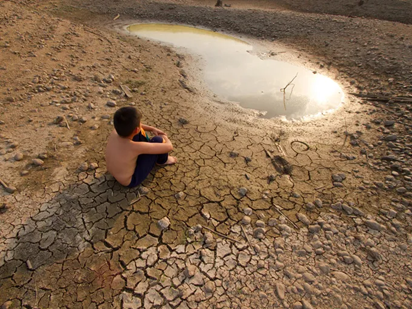
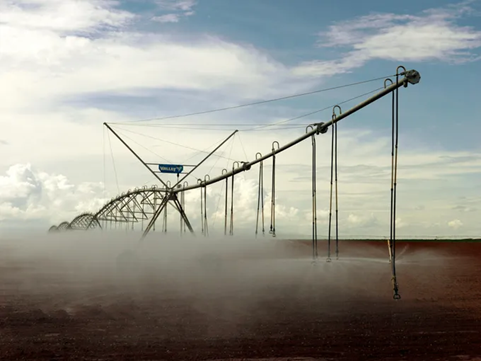
2. Groundwater is a crucial resource for agriculture and food production, but that is exactly where it is commonly overexploited
Groundwater is mostly extracted to irrigate agricultural lands to produce food. It supplies nearly 40% of the water used to irrigate crops. However, a quarter of irrigated food production worldwide relies on the unsustainable extraction of groundwater, which has enormous implications in places like the United States, Mexico, the Middle East and North Africa, India, Pakistan, and northern China.
3. We are consuming groundwater at an unsustainable rate and climate change is making it worse
Although not visible to the naked eye, groundwater helps sustain half of all freshwater ecosystems by replenishing surface waters, including rivers, streams, wetlands, and lakes. Freshwater systems—above and below ground—are closely interconnected, so if the groundwater level drops a few meters, the groundwater flow into freshwater ecosystems would rapidly decrease.
Currently, in 20% of all river basins, groundwater systems are overexploited, negatively impacting the ability of rivers to provide water for drinking and irrigating crops, as well as the habitats of freshwater species. If current trends continue, more than half of all river basins will be at risk by the year 2050.
The excessive extraction of groundwater can have additional impacts such as:
- Saltwater intrusion: The displacement of seawater into groundwater supplies near coasts, making the soil saltier and potentially killing crops.
- Dry wells: The loss of accessible water in wells, often used for residential purposes, which can increase the need to drill deeper for water—an expensive and unattainable solution.
- Weakened geological layers: The collapse of the land surface from weakened geological layers, known as “subsidence.”
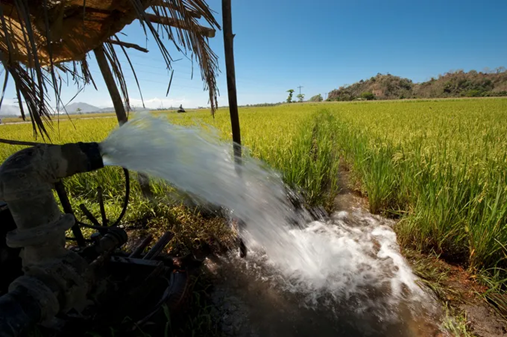
4. Groundwater can be protected and recharged; solutions are already available
There is hope for recovering or recharging groundwater and preventing further overuse. Groundwater can be replenished both naturally and artificially, for example, through human interventions to increase the amount of water that filters underground. Artificial (or managed) recharge is a key nature-based solution that can turn the tide on groundwater protection.
The Edwards Aquifer in Texas is a great success story regarding nature-based replenishment. In 1993, the Texas legislature set a limit on groundwater withdrawals, aiming to decrease use by 2004, and later planned to set an even lower limit in 2008. However, Texas shifted its approach in 2007 to be more reactive to reductions in aquifer levels, linking withdrawal allocations to the impact groundwater levels had on endangered species populations within the region. By developing a legislative system that aligned groundwater withdrawals with environmental goals and protected the areas near the aquifers for natural recharge, the Texas state legislature set an example for sustainable groundwater management.
In general, sustainable groundwater management involves the following principles:
- Measure and manage: Collect and analyze information on local groundwater to develop a sustainable management plan, including monitoring to verify the plan’s effectiveness during implementation.
- Set sustainable limits: Establish limits or “caps” on the total volume of groundwater that can be extracted from an aquifer, along with volumetric allocations to each user, as well as the monitoring and regulation of those allocations.
- Recharge and replenish: Improve the recharge of aquifers through natural or managed replenishment.
- Reduce demand and maintain balance: Manage the demand and extraction of groundwater to balance water use with replenishment.
5. You can be part of the solution
In 2015, as the South African city of Cape Town approached Day Zero—the day it would become the first major city to run out of water—residents, businesses, and the government joined forces to quickly change how they viewed and used water. Three years after the start of the crisis, the city managed to cut its daily water consumption by more than half.
Groundwater is an urgent global issue. Everyone must take responsibility for how we use this valuable shared resource. The solutions listed above are universally applicable, but they must be designed and implemented locally and uniquely. And there is no time to lose.